Barking may be familiar to those who call it home, but its history reveals layers shaped by the river, industry and community spirit. Today, the neighbourhood is known for its lively streets and diverse population. Still, those who look a little closer will find traces of a story stretching back more than a thousand years.
The River at the Heart
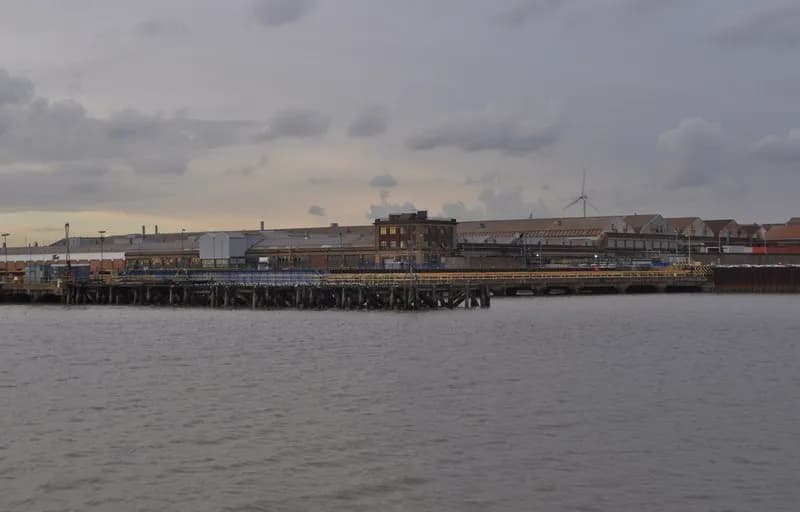
Barking’s setting – where the River Roding meets Barking Creek – has shaped its fortunes from the beginning. The earliest Saxon settlers were drawn to its riverside location, which proved ideal for fishing and travel. For centuries, Barking’s livelihood depended on the river and the wider Thames waters, with fishing fleets once crowding its creeks. The town’s identity was bound to this working-water story for generations, linking local names and families to the tides.
The Abbey and the Market Town
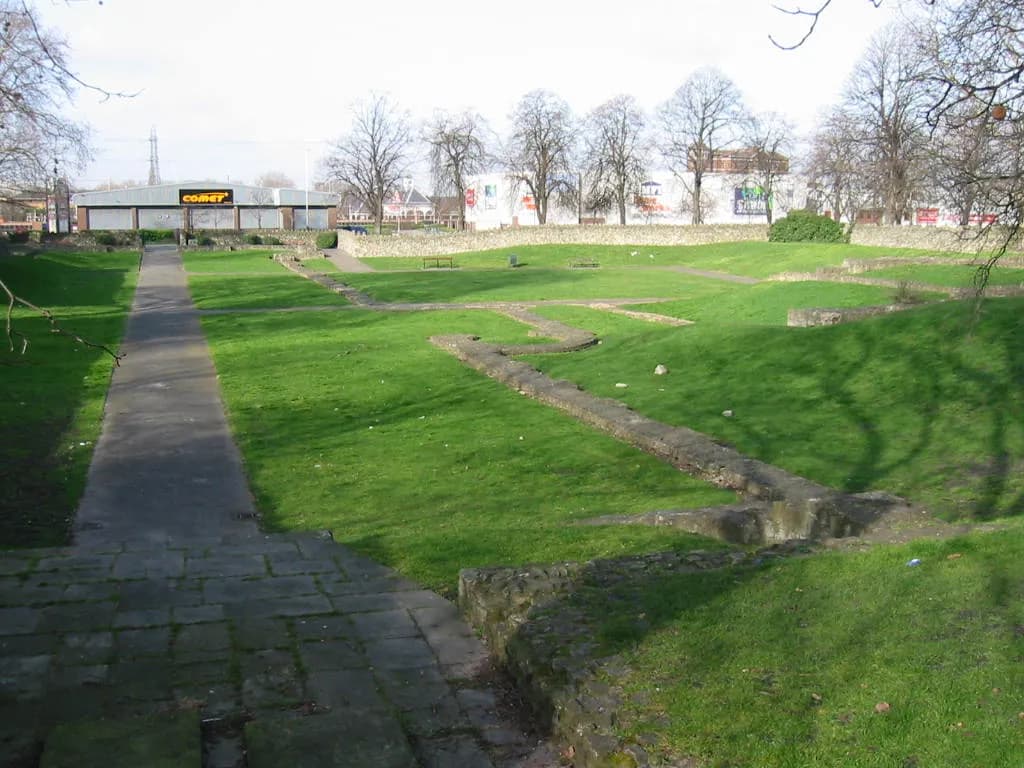
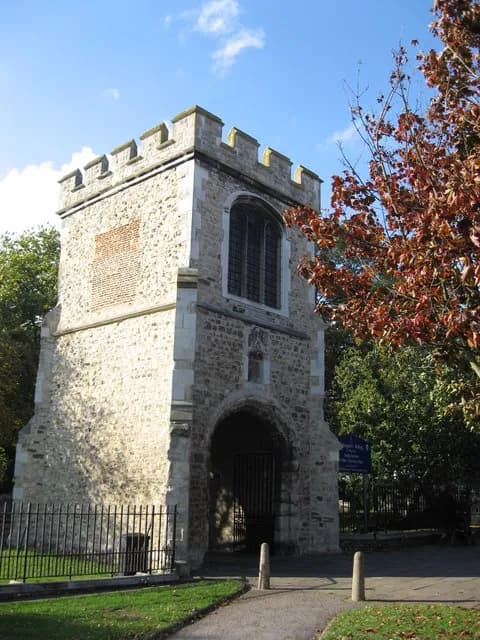
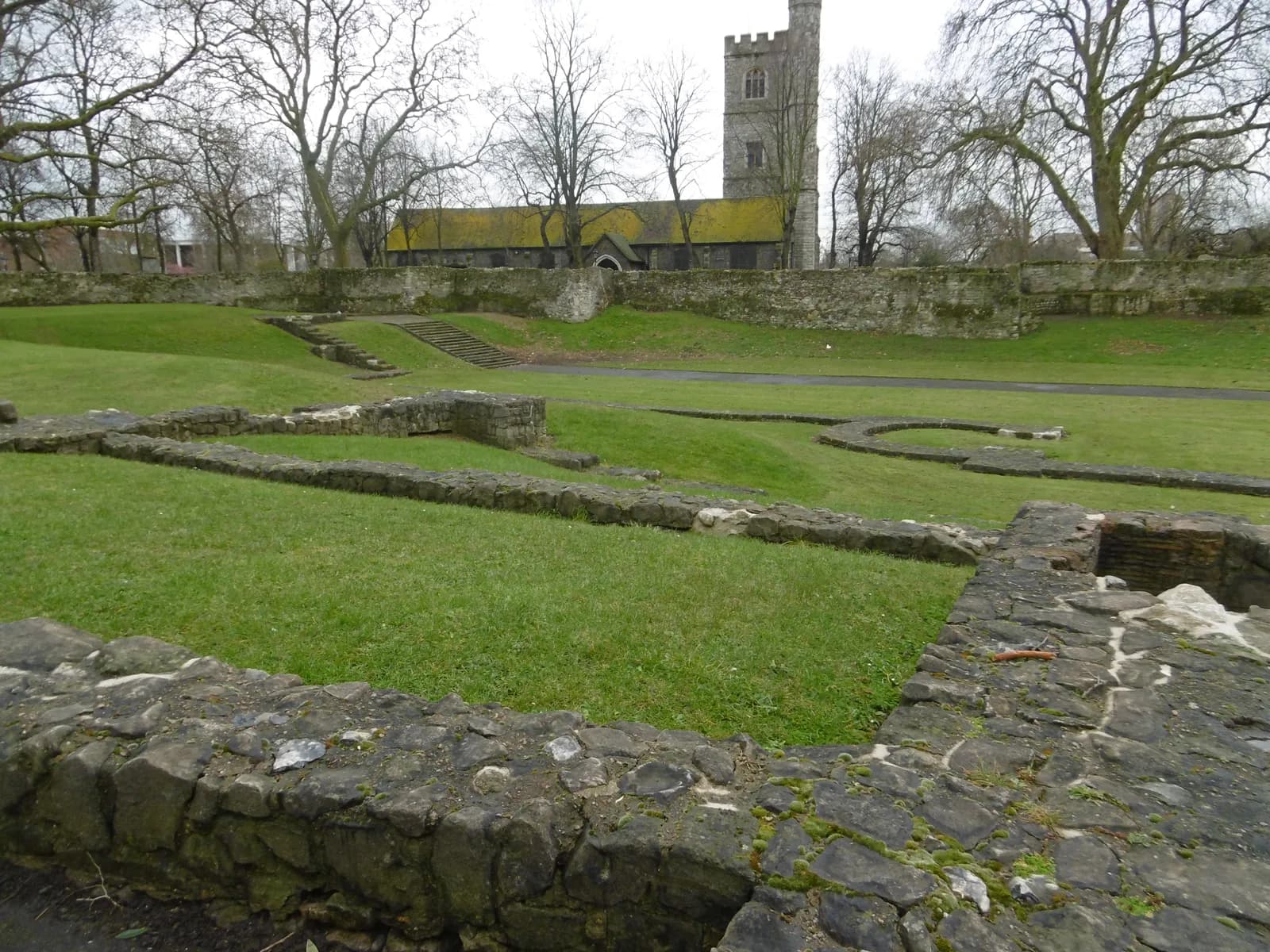
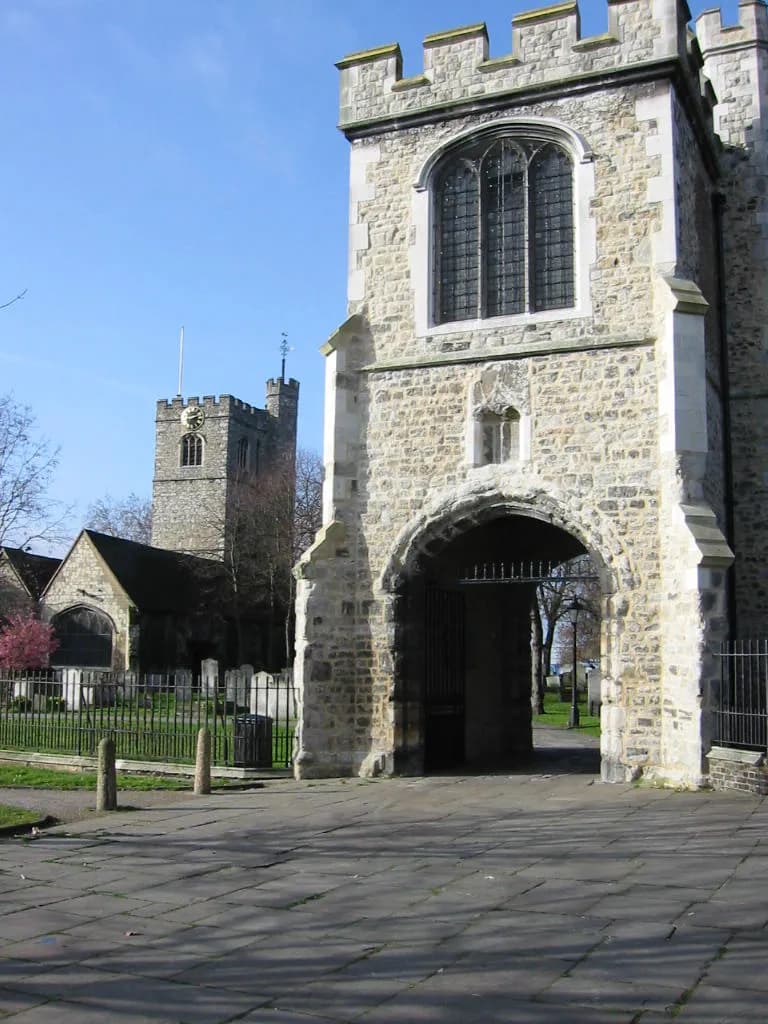
Power and learning gathered in Barking from as early as 666 CE with the founding of Barking Abbey. The Abbey’s presence made the area a centre of religious and economic life during the Middle Ages. Crafts and industries flourished: farming, windmills, tanning and boat-building all sprang up around the Abbey precincts. The thriving medieval town provided both spiritual centre and livelihoods for the surrounding countryside. Even after the Abbey’s dissolution, the market town continued to serve its rural hinterland and its busy fishing wharves.
Victorian Connections
The arrival of the railway in 1854 marked a turning point in Barking’s growth. Suddenly far better connected to London, the town saw new opportunities and challenges. While traditional fishing and market gardening thrived for a time, wider London influences began to reach Barking. This period laid down the early suburban pattern, and more people made their homes beside the river.
The Becontree Estate and Urban Change
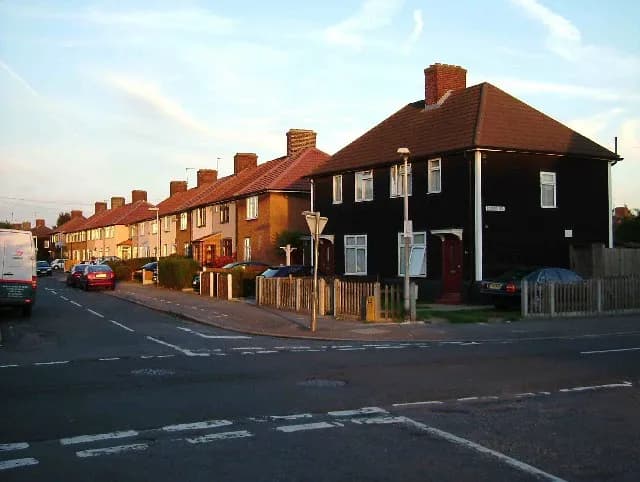
No single event shaped modern Barking more than the construction of the Becontree Estate in the 1920s and 1930s. Built by the London County Council as one of the world’s largest housing estates, Becontree brought an influx of new residents and reshaped the physical and social landscape. Streets, schools and local shops emerged to serve growing communities, turning Barking firmly into a part of urban London.
From Ancient Parish to London Borough
Barking’s changing fortunes can also be seen in its shifting boundaries. Once an ancient parish, it became an urban district, then a municipal borough from 1931. In 1965, Barking joined Greater London as part of the London Borough of Barking and Dagenham, reflecting the town’s move from rural parish to London suburb.
For newcomers, Barking offers more than modern transport and new developments. It’s a place where riverside stories, Abbey roots and 20th-century housing mix in the street names, parks and community spirit. Barking remains a town with deep local roots and a future shaped by its people, just as it has always been.