On 7 June 1968, 300 women sewing machinists walked out of the Ford factory on the Dagenham marshes. Their three-week strike over unequal pay would reshape British employment law and pave the way for the Equal Pay Act 1970.
The Grading Dispute That Stopped Production
The women at the Ford Dagenham plant stitched seat covers for cars rolling off the production line. When management informed them that their work was graded Category C rather than Category B, they learned they would receive 15 per cent less than the full B rate paid to men doing comparable production work.
The machinists, who had never engaged in industrial action before, voted to strike. Within days, the production of seat covers stopped. Without their output, car assembly at Dagenham ground to a halt. The factory, which covered 475 acres and at its peak in 1953 employed approximately 40,000 people, was paralysed by the withdrawal of these working women from Barking and Dagenham.
The Women Who Led
The strike was led by Rose Boland, Eileen Pullen, Gwen Davis, Sheila Douglass, Vera Sime, and Violet Dawson. These women were not seasoned union activists; they were mothers and wives who worked at the factory to support their families. Many of their husbands also worked at Ford, and not all were supportive of the action.
The dispute drew national attention. Barbara Castle, Secretary of State for Employment and Productivity in Harold Wilson's government, invited the machinists to tea at her office. According to strike leader Violet Dawson, speaking later to BBC Radio 4's "The Reunion" programme, Castle donated £10 to their hardship fund and opened her drinks cabinet once the press had departed. "When the press had gone, Mrs Castle opened her drinks cabinet and we all had a drink," Dawson recalled.
The Settlement and Its Limitations
After three weeks, the strike ended with a deal. The women's rate was immediately increased to 8 per cent below the men's rate, with the promise of full Category B grading the following year.
Yet the fight was not entirely won. The machinists had to strike again for six weeks in 1984 before Ford finally regraded them to Category B, sixteen years after their initial action.
From Dagenham to Westminster
The strike's impact extended far beyond the factory gates. It inspired the formation of the National Joint Action Campaign Committee for Women's Equal Rights, which organised a demonstration of 1,000 people in Trafalgar Square on 18 May 1969. One banner reading "We Want Sex Equality" became the subject of amusement when the final word was partially obscured, prompting honks from passing lorry drivers.
The direct line from the Dagenham strike to legislation is clear. Barbara Castle introduced the Equal Pay Act, which received royal assent on 29 May 1970. Speaking during the bill's second reading on 9 February 1970, MP Shirley Summerskill stated the machinists had played a "very significant part in the history of the struggle for equal pay."
The Act came into force on 29 December 1975, giving employers five years to adjust. It was estimated to affect six million women and cost approximately 3.5 per cent of the national wages bill over the implementation period. The legislation also fulfilled Article 119 of the Treaty of Rome, smoothing Britain's path into the European Community.
The Local Legacy
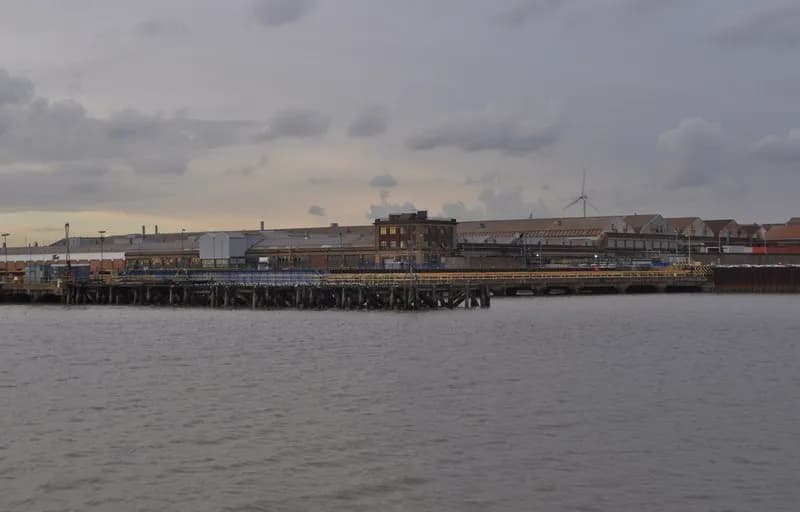
The Ford plant at Dagenham opened in 1931 and produced more than ten million cars and 39 million engines before vehicle assembly ceased in 2002. Today it continues as an engine production facility employing approximately 2,000 people.
The story of the 1968 strike has become woven into local identity. The 2010 film "Made in Dagenham", starring Sally Hawkins as fictional composite character Rita O'Grady, brought the story to new audiences. The film featured a theme song by Sandie Shaw, who had worked as a clerk at the Dagenham plant before finding fame as a singer. A musical adaptation opened at the Adelphi Theatre in 2014.
More permanently, new streets on the Dagenham Green housing development are to be named after the women who led the strike. What was once a 475-acre industrial site is being transformed into 3,500 new homes, but the names of Rose Boland, Eileen Pullen, Gwen Davis, and their fellow machinists will remain part of the local landscape.
The women who walked out of the Dagenham plant in June 1968 could not have known their action would change the law for millions. They sought only fair pay for skilled work. What they achieved was a fundamental shift in how Britain valued women's labour.